Margaret Street, London: History, landmarks & places to visit in Fitzrovia


Margaret Street London W1 may not be as famous as Oxford Street, but it tells a richer story. Running through Fitzrovia and Marylebone, this historic West End street is lined with striking architecture, independent boutiques, and restaurants that make it a destination in its own right.
Over the centuries, it has been home to pioneering craftsmen, Victorian architectural landmarks, and even the legendary Speakeasy Club of the 1960s music scene.
Today, it remains one of the West End’s most intriguing streets: packed with history and discovery at every turn.
The origins of Margaret Street, London
Margaret Street’s story begins in the 18th century, when much of Fitzrovia and Marylebone was still being laid out. The street was named after Margaret Bentinck, Duchess of Portland, the daughter of Edward Harley, 2nd Earl of Oxford, whose family owned much of the surrounding land. Naming streets after prominent figures was common practice, but in this case it also anchored the area’s strong ties to the Harley-Portland estate — ties that shaped Fitzrovia’s urban fabric.
Life on Margaret Street reflected London’s shift toward innovation and design. By the mid-1700s, it was home to William Winlaw, an engine-maker whose workshop symbolised the kind of quiet, practical ingenuity the street has long attracted.
Key early touchpoints include:
- ● Aristocratic influence: Harley family landownership guided the street’s development.
- ● Craft and innovation: Winlaw’s engine-making workshop hints at the street’s early industrial creativity.
- ● Urban planning: Its position running parallel to Oxford Street established Margaret Street as a quieter but strategically placed neighbour.
The result was a street that, from the very beginning, balanced heritage with progress – a theme that still defines Margaret Street London W1 today.
Architectural landmarks through time
Several buildings along Margaret Street stand out as milestones in London’s architectural story:
- ● All Saints Church (1850–59): Designed by William Butterfield, this Grade I listed Victorian church is famous for its colourful brickwork and bold Gothic Revival style.
- ● London Fo Guang Shan Temple (1992): at No. 84 brought a different layer of culture to the street when it opened in 1992.
Each of these landmarks shows how Margaret Street has grown through layers of history, while still keeping its distinct character.
Cool places to visit on Margaret Street today
Margaret Street may run quietly parallel to Oxford Street, but it has its own rhythm. Instead of crowded chain stores, you’ll find independent boutiques, design showrooms, wellness spaces, and tucked-away food spots that feel distinctly Fitzrovia.
1. Places to go on a shopping spree
Margaret Street isn’t about endless chains or fast fashion – it’s about craft, design, and long-lasting quality. For shoppers who want to invest in style or interiors, this street offers some of the West End’s most distinctive names:
- ★ Margaret Howell (63 Margaret St) More than a shop – this is a flagship studio space that sets the tone for the designer’s entire brand. Howell is known for her approach that blends British tailoring with Japanese-style minimalism.
- ★ Minotti (77 Margaret St): This family-run furniture brand is well known for its Italian luxury living settings.
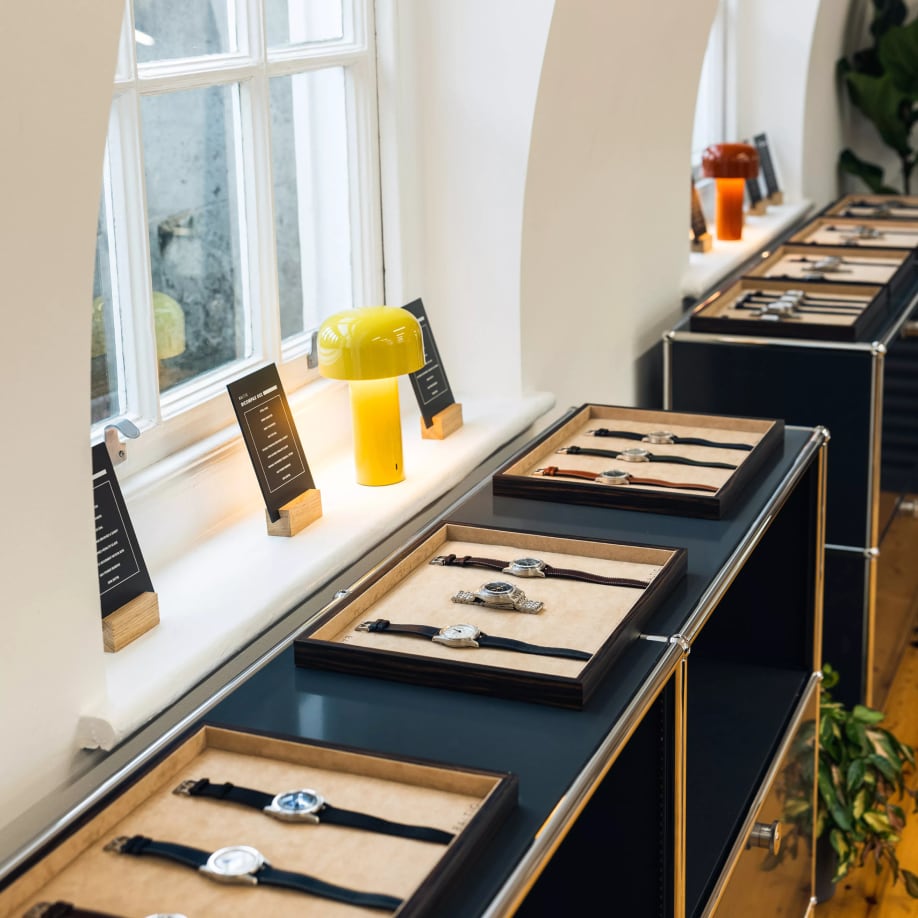
- ★ Baltic Watches (4th floor, 52-53 Margaret St): A hidden gem for horology enthusiasts. Unlike the big-name watch retailers of Bond Street, Baltic offers a more intimate and specialist service.
- ★ Vola (74 Margaret St) For design fans, this Scandinavian brand is iconic. Vola pioneered the concept of architect-designed taps and fixtures in the 1960s, working with Arne Jacobsen, one of Denmark’s most influential architects.
2. Places that are best for a self-care day
Margaret Street isn’t just about shopping – it’s also become a hub for beauty, wellbeing, and restorative escapes in the middle of the West End. Here’s where it stands out:
- ★ Nicola Clarke (58-59 Margaret St): One of Britain’s most sought-after hair colourists with a client list that includes Kate Moss and Cate Blanchett. Her Margaret Street space combines John Frieda’s global reputation with a celebrity-backed, expert-led approach to haircare.
- ★ Sun Kyeong (1st floor, 47-50 Margaret St): A retreat that introduces Londoners to Korean-inspired wellness practices, from meditation to energy therapy.
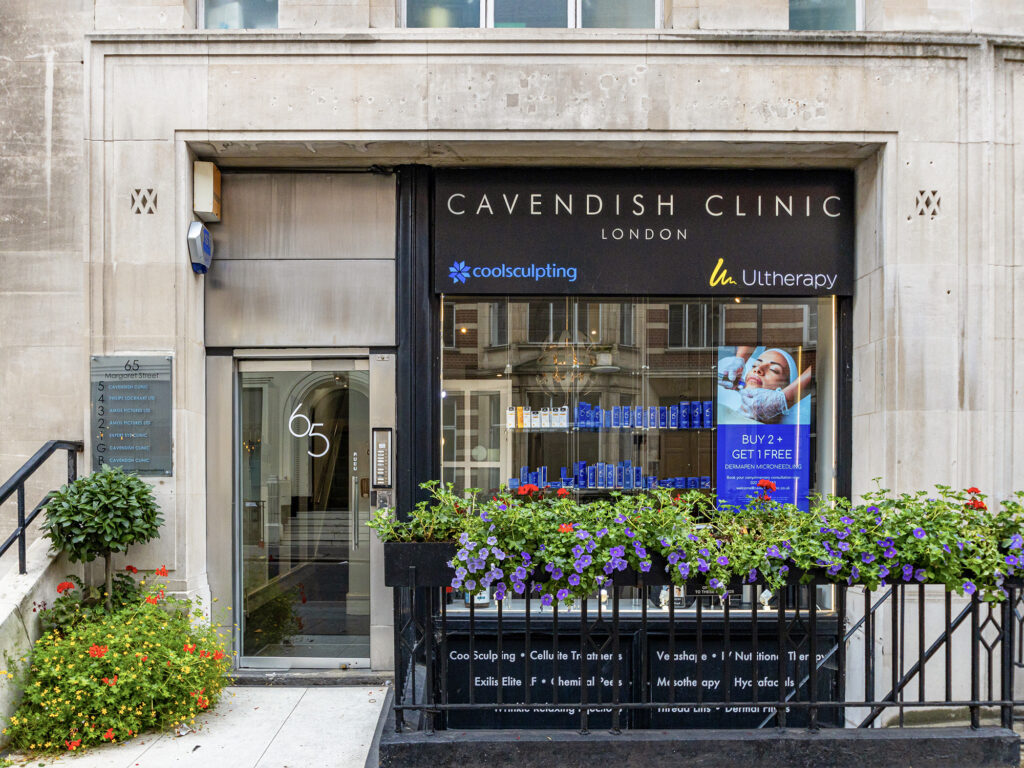
- ★ Cavendish Clinic (65 Margaret St): Founded by a group of NHS doctors, Cavendish Clinic brings medical-grade expertise into skincare. It specialises in non-surgical aesthetic treatments like injectables and advanced facials.
3. Places for food and drinks
Margaret Street isn’t overloaded with eateries – and that’s the charm. What you find here are niche, characterful spots that reflect Fitzrovia Quarter’s international mix.
- ★ BEAT London (48 Margaret St): More than a club, BEAT is part of Margaret Street’s modern nightlife DNA. It’s a members’ space that blends art, music, and late-night culture, regularly hosting DJs, exhibitions, and brand events.
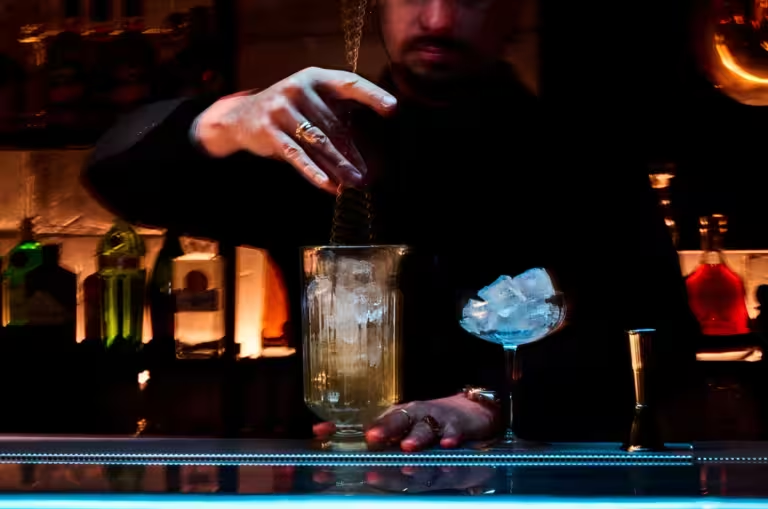
- ★ Rhum Tavern (48 Margaret St): A small but dedicated bar built around one theme: rum. With an ever-rotating list of bottles and inventive cocktails, it’s become a go-to for connoisseurs and curious drinkers alike.
- ★ Tenmaru (50 Margaret St): A standout for authentic Japanese ramen and small plates, Tenmaru feels like a slice of Tokyo dropped into the West End.
- ★ K-POP (47 Margaret St): Bright, lively, and unapologetically fun, K-POP is Margaret Street’s answer to the Korean BBQ craze.
Why Margaret Street belongs to your London itinerary
Margaret Street has always been more than just a cut-through in the West End. For visitors, it’s a chance to explore one of the most characterful streets in Fitzrovia Quarter, where history and creativity sit side by side. Wander its length, pause at its cultural highlights, and enjoy the energy of a neighbourhood that keeps reinventing itself.